
Tungsten or LEAD?

Nuclear medicine and radiopharmacy departments have long defaulted to lead for shielding — cheap, dense, well understood. That calculus is shifting: tungsten prices have risen sharply since early 2025, while lead still carries specific handling and disposal requirements. Neither material is universally "better" — the right choice depends on application, space, required attenuation, and total cost of ownership.
The Physics
Both materials attenuate photons effectively; performance depends on photon energy, thickness, and geometry. Tungsten (Z=74, 19.3 g/cm³) is about 1.7x denser than lead (Z=82, 11.3 g/cm³), enabling more compact designs. There's no universal "X% thinner" conversion, though — shielding should always be sized using attenuation data for the specific isotope and geometry, not a material-to-material rule of thumb.
Density makes tungsten attractive for compact applications (syringe/vial shields), while lead's economics favour large fixed installations where space isn't constrained.
The Cost Picture
Tungsten prices have risen exceptionally sharply since early 2025. According to Fastmarkets, Chinese APT prices (88.5% WO₃, FOB main ports) rose from ~$335–345/mtu in January 2025 to ~$1,050–1,115/mtu by December 2025 — over 200%. CIF Rotterdam/Baltimore prices climbed further, from ~$900–940/mtu in January 2026 to ~$1,650–1,900/mtu by mid-February 2026, and have continued rising since.
Drivers include China's export licensing controls (introduced 4 February 2025, covering APT, tungsten oxides, certain carbides, and solid tungsten materials), reduced mining quotas, declining ore grades, and strong industrial/defence demand. China supplies over three-quarters of the global market, so its policy moves shape pricing globally.
This doesn't make tungsten the wrong choice — but it makes the cost comparison with lead, and price volatility generally, far more important than in past years.
Key Differences
| Property | Tungsten | Lead |
|---|---|---|
| Density | 19.3 g/cm³ | 11.3 g/cm³ |
| Atomic number | 74 | 82 |
| Footprint | Potentially smaller | Generally larger |
| Health considerations | Low concern as intact solid; dust/compounds need assessment | Toxic metal; dust/fume exposure must be controlled |
| Material cost | High, currently volatile | Generally lower |
| Regulatory regime | No lead-specific regime, but normal risk assessment/waste rules apply | Control of Lead at Work Regulations 2002 (CLAW) |
| Common NM uses | Syringe/vial shields, compact systems | Fixed shielding, bricks, panels, large installations |
Regulatory Picture
Lead is subject to CLAW 2002 in Great Britain, which sits apart from general COSHH and covers handling, processing, storage, and disposal wherever lead could become inhalable or ingestible. An intact, encapsulated lead shield poses a very different exposure scenario from cutting, drilling, or machining lead-containing materials — and end-of-life disposal must be assessed under waste legislation, factored into whole-life cost.
Finished tungsten doesn't carry lead-specific workplace controls, but it isn't "unregulated" — powders, dusts, and compounds require their own risk assessment, and end-of-life waste classification still applies.
Application Guidance
Syringe/vial shields: tungsten favoured for compactness and ergonomics near the operator; lead/tungsten-composite options also viable depending on budget.
Injection booths/hotcells: tungsten suits modular, space-constrained systems; lead is more economical for large bespoke installations.
Fixed room shielding: lead remains the practical, cost-effective default — the material volume involved can make tungsten prohibitively expensive.
Mobile screens: tungsten gives a thinner profile but isn't automatically lighter — final weight depends on design.
Storage safes/containers: tungsten for compact/tabletop units; lead for larger floor-standing storage.
A Note on "Tungsten Composite" Products
Many "tungsten" shielding products are tungsten-polymer or tungsten-rubber composites with lower density than solid tungsten, varying by loading and formulation. Before assuming equivalence, ask suppliers for: confirmed density, tungsten loading, attenuation data (and the photon energies it applies to), certification, and recommended thickness for your application. What matters is demonstrated shielding performance — not the tungsten percentage claimed on the label.
Procurement Checklist
Compare the application, not just the material — a lead or composite replacement may meet the requirement more economically than a like-for-like tungsten swap.
Consider whole-life cost: purchase, installation, floor/workspace, weight/handling, maintenance, lead-specific controls, disposal, and future replacement.
Get application-specific shielding data from suppliers rather than relying on generic percentage comparisons.
Factor in tungsten price volatility — get current quotes and confirm how long pricing can be held.
Choose Tungsten When:
Space is tight, compactness/ergonomics matter, shielding sits close to the operator, or a thinner profile delivers real operational benefit.
Choose Lead When:
Large areas need shielding, space is available, material cost is a major factor, or tungsten's physical advantages don't justify the premium.
Often the best solution blends both materials. Light Medical supplies tungsten, lead, and composite shielding across the range and can help assess the right option for your application, department layout, and budget — including navigating current tungsten pricing.
This article is for informational purposes for healthcare professionals, medical physicists, and procurement teams. It is not radiation protection advice or a shielding calculation — always consult your RPA or Medical Physics team when specifying shielding.
Novel Radioactive Drug Shows Promise Against Advanced Prostate Cancer in First Human Trial
Australian researchers report that terbium-161-based radioligand therapy is safe and shows encouraging early results in men with metastatic castration-resistant prostate cancer
Researchers at the Peter MacCallum Cancer Centre in Melbourne, Australia, have published the first-ever human trial results for a novel cancer-fighting isotope called terbium-161 (¹⁶¹Tb), paired with a prostate-cancer-targeting molecule called PSMA-I&T. The findings, published in The Lancet Oncology, come from a phase 1/2 study known as VIOLET and mark a significant step for a radionuclide many hope could eventually outperform the current standard treatment.
Why terbium-161 is generating interest
For several years, doctors have used lutetium-177 (¹⁷⁷Lu) attached to PSMA-targeting molecules to treat metastatic castration-resistant prostate cancer (mCRPC) — cancer that has spread and stopped responding to hormone therapy. This approach, sold as [¹⁷⁷Lu]Lu-PSMA-617, has been shown in multiple trials to extend survival and improve quality of life, but it does not cure the disease, and progression eventually returns.
Terbium-161 works on a similar principle: it is attached to a molecule that seeks out and binds to PSMA, a protein found on the surface of prostate cancer cells, then delivers radiation directly to the tumor. But unlike lutetium-177, terbium-161 also emits a shower of extremely short-range particles called Auger and conversion electrons. Laboratory and animal studies have suggested this additional radiation could make terbium-161 more effective at destroying small clusters of cancer cells and even single stray cancer cells — the kind that traditional beta radiation may not fully reach.
Despite that promise, until now, terbium-161 had never been tested in a clinical trial for any cancer type.
Inside the trial
The VIOLET trial enrolled 30 men with progressive mCRPC between October 2022 and February 2024. All had already been treated with hormone-blocking drugs and, in most cases, chemotherapy. Patients were confirmed to have PSMA-positive disease using PET imaging before being accepted into the study.
The trial used a dose-escalation design, starting participants on lower radioactivity levels (4.4 GBq) and gradually increasing to a higher dose (7.4 GBq) as safety was confirmed at each step. Patients received up to six treatment cycles, each six weeks apart, with the dose slightly reduced with each subsequent cycle.
Key safety findings
The headline result is a reassuring one: no dose-limiting toxicities occurred at any radioactivity level tested, and the maximum dose used, 7.4 GBq, was confirmed as safe and recommended for further study. Serious side effects were rare — only one patient experienced a severe (grade 3) adverse event related to treatment, in the form of pain, and one patient had severe low lymphocyte counts. No patients experienced life-threatening (grade 4) side effects related to the drug, and no one had to reduce their dose or stop treatment because of toxicity. Common but mild side effects included dry mouth, fatigue, and mild anemia — patterns broadly similar to those seen with lutetium-177 treatments.
Signs the treatment is working
While the trial's main goal was to establish safety, the results also hinted at meaningful anti-cancer activity. Seven out of ten patients (70%) had their PSA levels — a blood marker of prostate cancer activity — drop by half or more, and 40% saw a 90% or greater reduction. Among patients with measurable tumors on scans, half showed a partial shrinkage of their disease.
Patients went a median of about 11 months before their cancer progressed on scans, and survival without any sign of worsening disease lasted a median of just over 8 months.
What comes next
Because VIOLET was a single-arm study without a comparison group, the researchers caution that these results cannot yet prove terbium-161 is better than the existing lutetium-177 treatments — that question awaits larger, randomized trials. The Melbourne team has already expanded the study to test an even higher radioactivity dose (9.5 GBq) in an additional group of patients, and researchers say the infrastructure used for existing lutetium-177 treatment programs could be readily adapted for terbium-161, easing any future rollout to other cancer centers.
The study's authors say the results support moving forward with larger, randomized phase 3 trials, and suggest terbium-161 could eventually be explored earlier in the course of prostate cancer treatment — including in patients whose disease has not yet become resistant to hormone therapy.
Source: Buteau JP, Kostos L, Jackson PA, et al. "First-in-human results of terbium-161 [¹⁶¹Tb]Tb-PSMA-I&T dual beta–Auger radioligand therapy in patients with metastatic castration-resistant prostate cancer (VIOLET): a single-centre, single-arm, phase 1/2 study." The Lancet Oncology, published online July 2, 2025. Trial registration: ClinicalTrials.gov NCT05521412.
Light Medical at BNMS 2026
Nuclear Medicine, Radiopharmaceuticals and Radiation Protection at Manchester Central
Published by Light Medical | April 2026 | lightmedical.co.uk
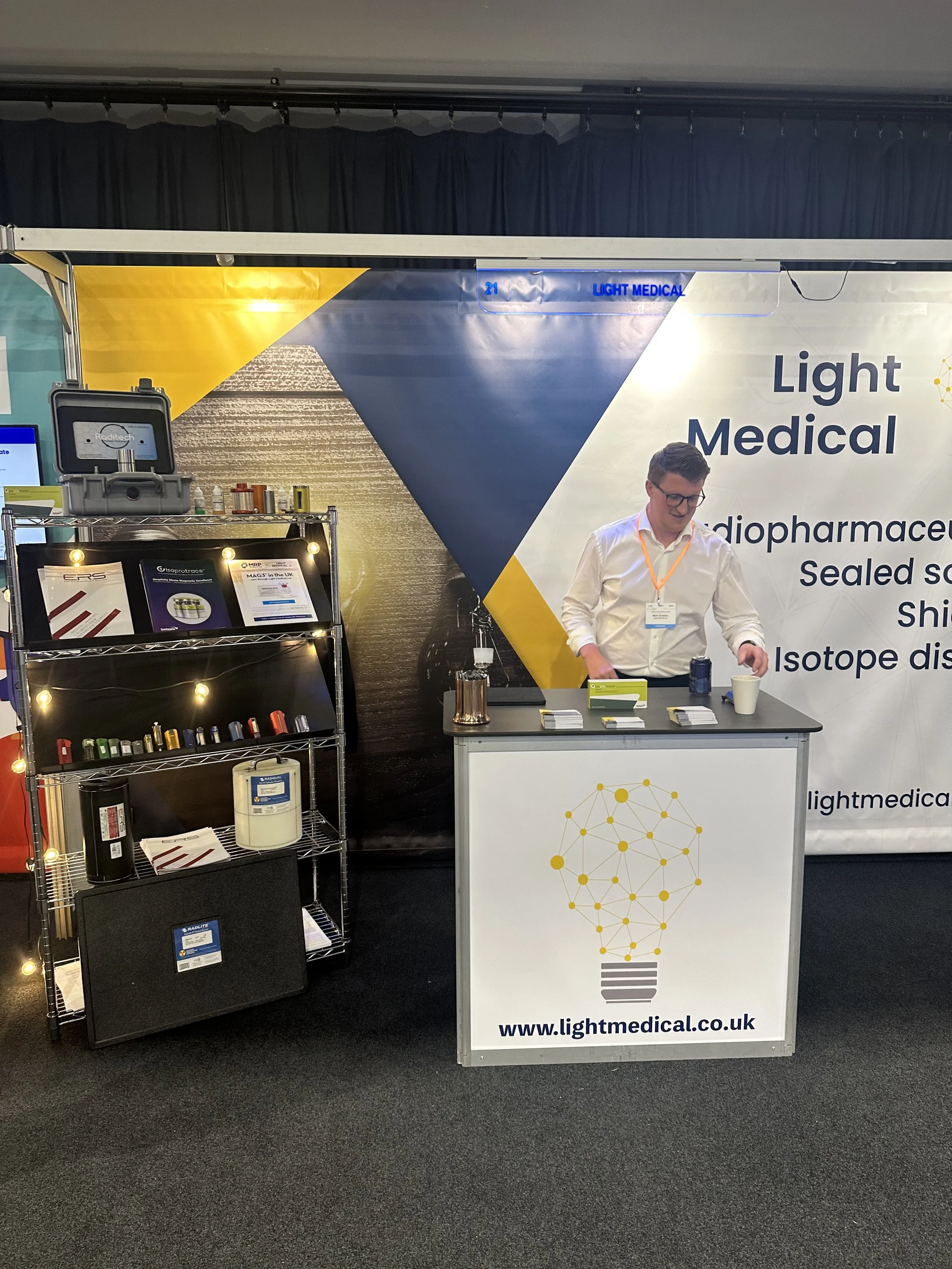
The BNMS Annual Spring Meeting 2026 brought the nuclear medicine community together at Manchester Central Convention Complex from 20–22 April — and what a three days it was. Celebrating 60 years of the British Nuclear Medicine Society, this year's event was the largest and most significant BNMS meeting in recent memory, drawing together medical physicists, nuclear medicine clinicians, Radiation Protection Advisers (RPAs), radiopharmacists, and nuclear medicine technologists from across the UK and beyond.
The Light Medical team was proud to be in attendance, representing our range of specialist products and reconnecting with colleagues, customers, and suppliers across the nuclear medicine supply chain.
Celebrating 60 Years of Nuclear Medicine in the UK
The BNMS was founded in 1966 as the Nuclear Medicine Society, and this anniversary meeting felt genuinely historic. Keynote sessions reflected on the extraordinary advances in nuclear medicine over six decades — from early diagnostic imaging through to the current revolution in theranostics and targeted alpha therapy. It was a fitting backdrop for discussing where the field is heading next.
For a specialist supplier like Light Medical, moments like this reinforce why our work matters. The products we supply — radiation shielding, calibration sources, sealed radioactive sources, and radiopharmaceuticals — are foundational to the day-to-day operation of every nuclear medicine department in the country.
What Light Medical Supplies to the Nuclear Medicine Community
For those new to Light Medical, we are a Runcorn-based B2B specialist supplier serving NHS nuclear medicine departments, medical physics teams, RPAs, and radiopharmacy units across the UK. Our core product areas include:
Radiation Shielding Products
We supply a comprehensive range of radiation shielding solutions for nuclear medicine and radiopharmacy environments, including:
Tungsten shielding — syringe shields, vial shields, and pig containers from leading manufacturers. Tungsten offers superior shielding performance compared to lead at equivalent thicknesses, making it the preferred choice in modern radiopharmacy workflows.
Lead shielding — traditional lead pots, lead-lined storage containers, and lead bricks for a range of radiation protection applications.
Leaded glass and radiation protection screens for workstation and dispensing area protection.
Our shielding range draws on trusted manufacturers including Nuclear shields and Raditech, covering both standard configurations and bespoke requirements.
Sealed Radioactive Sources and Calibration Sources
Light Medical supplies sealed radioactive sources for a wide range of applications in nuclear medicine physics, including:
Dose calibrator check sources — used for daily, weekly, and constancy checks on dose calibrators (ionisation chambers) across nuclear medicine departments. Common radionuclides include Co-57, Cs-137, Ba-133, and mixed gamma standards.
Flood sources — including Ge-68/Ga-68 fillable flood phantoms and Co-57 sheet sources for gamma camera uniformity testing and PET scanner quality assurance.
Reference standards — traceable calibration sources for medical physics quality assurance programmes.
We work with manufacturers RadQual and ERS to ensure our calibration source range meets the traceability and documentation requirements of NHS medical physics departments.
Radioactive Source Disposal
Managing the disposal of spent or unwanted sealed radioactive sources is a significant compliance burden for nuclear medicine departments and RPAs. Light Medical offers a managed radioactive source disposal service, handling the logistics, documentation, and regulatory compliance required under the Environmental Permitting Regulations and the conditions of site nuclear site licences. This is particularly valuable for departments managing legacy sources, decommissioned equipment, or sources approaching their safe use date.
Radiopharmaceuticals and Radiopharmacy Supply
Light Medical supports NHS nuclear medicine departments and radiopharmacies with procurement of radiopharmaceuticals, including short-lived generator-produced isotopes and longer-lived diagnostic and therapeutic agents. We work within the regulatory framework governing Schedule 5 radioactive medicines and can support departments navigating supply chain complexity, including the challenges of just-in-time delivery for short half-life products such as Tc-99m, Ga-68, and F-18.
Our relationships with European radiopharmaceutical manufacturers, Isoptopia and MRP mean we can support procurement teams with sourcing, pricing intelligence, and continuity of supply — particularly relevant given ongoing pressures in the global Mo-99/Tc-99m supply chain.
Key Themes from BNMS 2026
Several themes dominated discussion on the exhibition floor and in the scientific sessions at Manchester:
Alpha Therapy and Theranostics Targeted alpha therapy (TAT) and the broader theranostics concept continued to dominate the agenda. The growth of Lu-177 PSMA therapy, Ra-223 dichloride (Xofigo), and emerging Ac-225 programmes is transforming nuclear medicine into a genuine therapeutic discipline. For radiation protection and shielding suppliers, this creates important new demands — alpha emitters require careful consideration of shielding design, waste management, and source handling protocols.
Type-A transport cases The issues around the re-use of single use polymer pots continues.
Radiation Protection Compliance With IRR17 and IR(ME)R 2017 firmly embedded in UK practice, RPAs and radiation protection supervisors (RPSs) face ongoing compliance requirements around source inventory management, dose calibrator QA, and sealed source security. Light Medical's combination of calibration sources, disposal services, and shielding products positions us as a useful single point of contact for departments managing their radiation protection obligations.
Medical Workforce and Procurement Pressures Conversations with NHS medical physics colleagues highlighted familiar pressures: recruitment challenges, increased demand from expanding therapy programmes, and procurement constraints. We understand these pressures and aim to make specialist procurement as straightforward as possible — providing fast responses, clear documentation, and reliable supply.
Connecting with the Nuclear Medicine Community
Events like BNMS are invaluable for a specialist supplier. They allow us to meet the people who use our products in clinical practice, understand the challenges facing NHS departments, and stay close to the manufacturers and innovators driving the field forward. We are grateful to everyone who took the time to speak with us in Manchester.
If you were at BNMS 2026 and didn't get a chance to speak with us, or if you'd like to follow up on any of the products or services mentioned above, we'd be delighted to hear from you.
Get in Touch with Light Medical
Light Medical Ltd Specialist supplier of radiation shielding, calibration sources, radioactive source disposal, and radiopharmaceuticals to the UK nuclear medicine and radiation protection community.
🌐 www.lightmedical.co.uk 📍 Runcorn, Cheshire
Whether you need a quote for tungsten syringe shields, a disposal route for legacy sealed sources, or support with dose calibrator check source procurement, our team is ready to help.
EAU’26

Light Medical Attended EAU Congress 2026
The Light Medical team recently attended the EAU Congress 2026, the annual congress of the European Association of Urology, one of the world’s largest events for urology professionals, healthcare providers, and medical technology companies. The congress brings together thousands of clinicians, researchers, and industry specialists to discuss the latest developments in urology, medical devices, and hospital technology.
For Light Medical, attending international medical congresses such as EAU 2026 is an important opportunity to stay connected with the healthcare community and keep up to date with innovations that influence modern clinical environments.
Advancing Medical Technology in Healthcare
The EAU Congress is widely recognised as a leading global event for urology research, surgical innovation, and medical technology development. The congress programme includes expert-led presentations, scientific sessions, and a large exhibition showcasing the latest advancements in medical devices and healthcare solutions.
Events like EAU allow organisations such as Light Medical to gain valuable insight into the technologies and infrastructure that support modern hospital departments, helping ensure we continue to meet the needs of healthcare providers.
Supporting Hospitals with Specialist Medical Equipment
Light Medical supplies and supports specialist medical equipment for hospitals and healthcare facilities across the UK. Our solutions are designed to improve safety, workflow efficiency, and reliability within clinical environments.
Our product range includes equipment used in medical imaging, radiopharmacy, and specialist clinical departments, including:
By attending major healthcare congresses such as EAU 2026, we can better understand how emerging technologies and clinical practices influence the equipment and infrastructure required by hospitals and specialist departments.
Connecting with the Global Healthcare Community
The European Association of Urology Congress provides a valuable platform for collaboration between clinicians, researchers, and medical technology providers. The event enables professionals from across the healthcare sector to exchange knowledge, discuss research findings, and explore new innovations shaping the future of urology and medical care.
During the congress, the Light Medical team had the opportunity to engage with healthcare professionals and industry partners, discussing developments in medical technology and the evolving requirements of hospital environments.
Continuing to Support Innovation in Healthcare
Attending events such as EAU Congress 2026 allows Light Medical to remain closely aligned with the latest developments in medical technology, hospital infrastructure, and specialist clinical equipment. These insights help us continue supporting hospitals with reliable solutions that contribute to safe, efficient, and high-quality patient care.
To learn more about Light Medical and our specialist medical equipment solutions, visit www.lightmedical.co.uk.
Suppliers we will represent:
Raditech, Nuclear Shields, ERS, RadQual, and Isotopia.
Useful pages:
SWNM ‘26
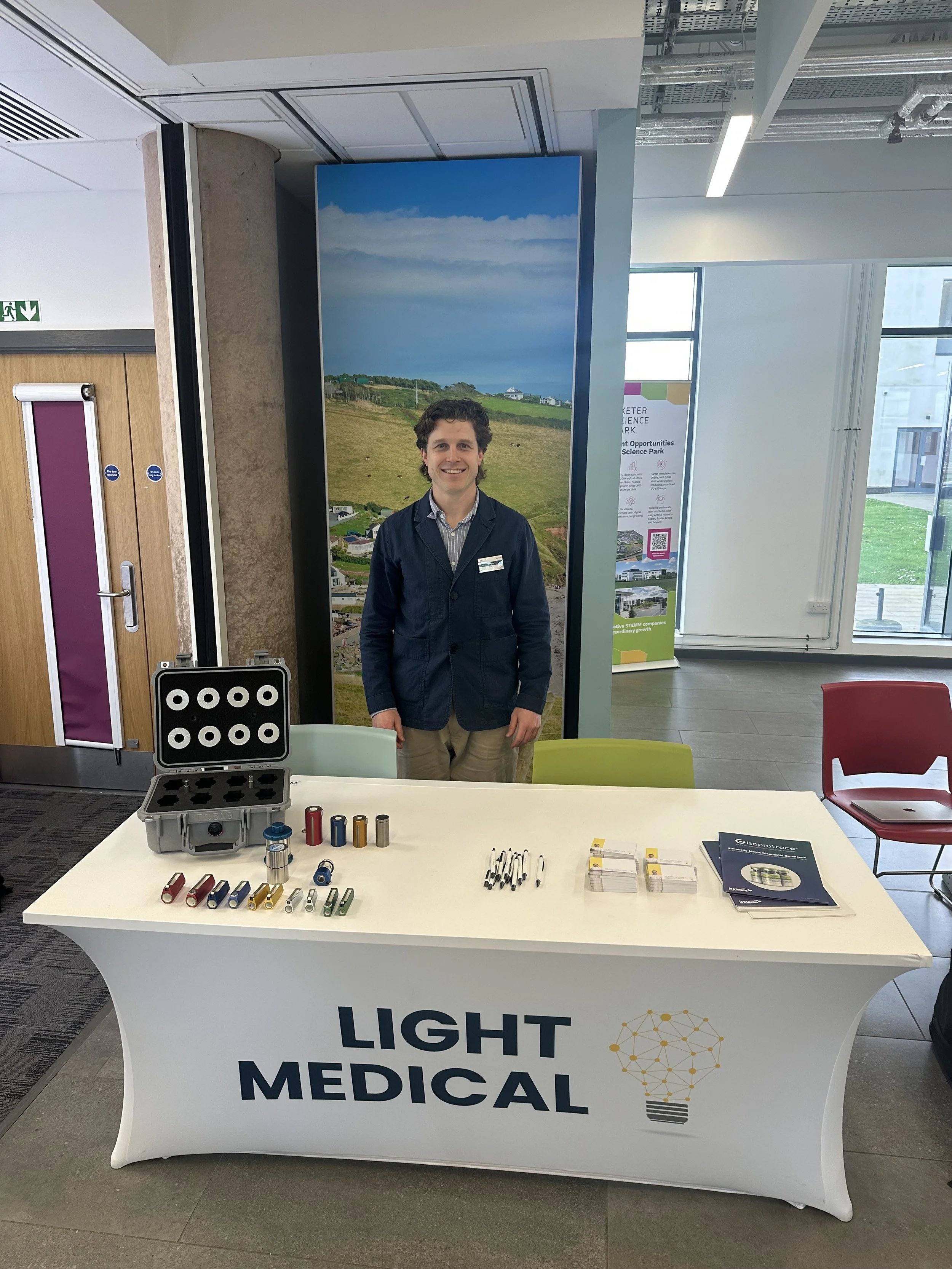
The Light Medical team recently attended the South West Nuclear Medicine Meeting (SWNM ‘26), held at Exeter Science Park. The event brought together nuclear medicine professionals from across the South West and beyond, including clinicians, medical physicists, radiographers, radiopharmacists and industry partners.
For Light Medical, attending regional and national nuclear medicine events is an important way to stay closely connected with the professionals and departments we support across the UK. The SWNMM provides an excellent opportunity to engage directly with the nuclear medicine community, share knowledge, and discuss the evolving needs of clinical services.
Supporting the UK Nuclear Medicine Community
Light Medical works with hospitals and healthcare providers across the UK to supply and support nuclear medicine equipment, radiation shielding solutions, and specialist medical equipment. Events such as the South West Nuclear Medicine Meeting allow us to better understand the practical challenges faced by departments and explore how innovative solutions can improve workflow, safety, and efficiency.
During the meeting, our team had valuable conversations with nuclear medicine professionals about:
Radiation shielding and safety in clinical environments
Equipment reliability and service support
Workflow optimisation in nuclear medicine departments
Future developments in nuclear medicine technology
These discussions are essential in helping Light Medical continue to deliver solutions that meet the real-world needs of nuclear medicine departments.
Collaboration and Innovation in Nuclear Medicine
The South West Nuclear Medicine Meeting is well known for bringing together professionals from across multiple disciplines within nuclear medicine. The programme included expert presentations, research discussions, and networking opportunities that highlighted the importance of collaboration in advancing nuclear medicine services.
Industry exhibitions also play a key role in the meeting, giving suppliers and technology providers the opportunity to demonstrate products and services that support modern nuclear medicine practice. For Light Medical, it was a pleasure to meet both new and familiar faces and discuss how industry partnerships can help support safe and effective patient care.
Looking Ahead
At Light Medical, we are committed to supporting the continued development of nuclear medicine services across the UK. Attending events such as the South West Nuclear Medicine Meeting allows us to stay informed about the latest innovations, strengthen relationships within the community, and ensure that our products and services continue to meet the highest standards of quality and reliability.
We would like to thank the organisers and hosts for delivering such a well-organised and engaging event. We look forward to attending future meetings and continuing to work with nuclear medicine professionals to support the advancement of patient care.
About Light Medical
Light Medical supplies and supports specialist equipment for nuclear medicine departments across the UK, including radiation shielding, clinical equipment and technical solutions designed to improve safety, efficiency and reliability in healthcare environments. Learn more at www.lightmedical.co.uk.
Useful links
South West Nuclear Medicine Meeting
Light Medical 2026 conference listur story online can make all the difference.
Sealed source order deadlines 2026
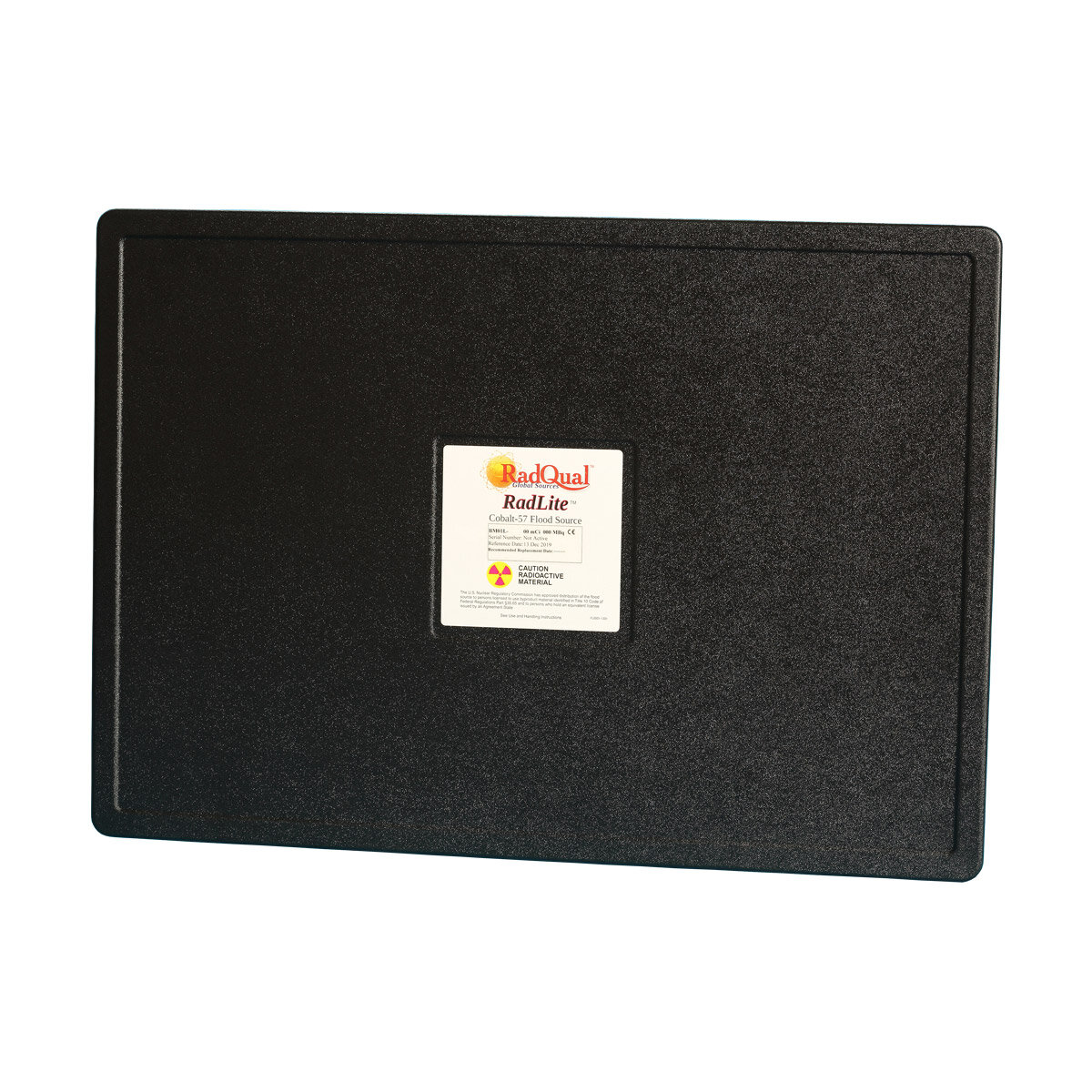
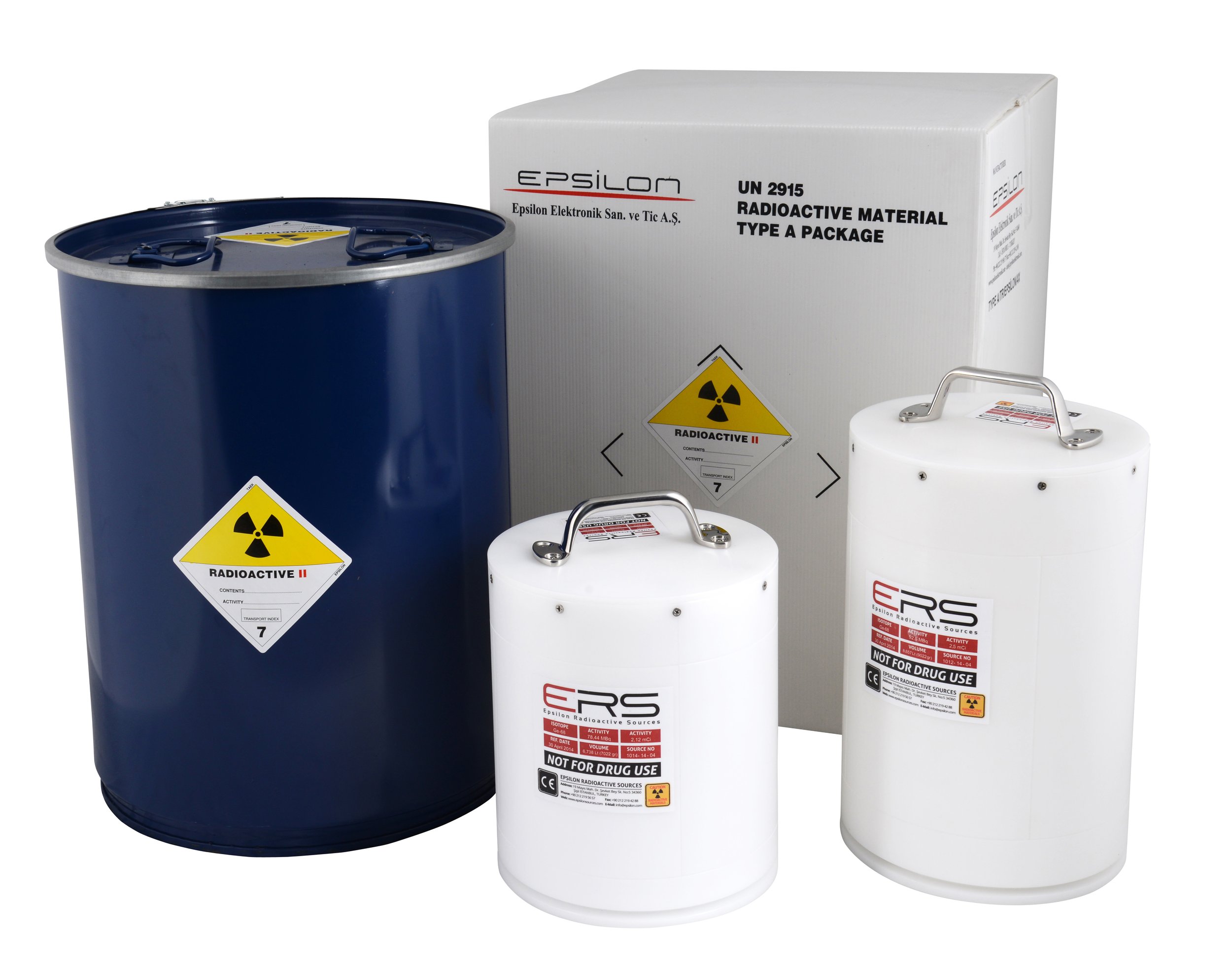
In partnership with Epsilon Radioactive Sources and RadQual Global Sources we are planning to a do a monthly consolidated sealed source order. This will include all the sources from both catalogues - Co57 flood sources, PET/CT sources (GE Healthcare, Siemens and Philips) pen point marker sources, siemens AQC sources spot marker sources and dose calibrator sources. This will also include the collection and return of old sources. We also can do ad hoc collections, get in touch for details.
30th January (RadQual)
27th February (ERS)
31st March (RadQual)
30th April (ERS)
29th May (RadQual)
30th June (ERS)
31st July (RadQual)
31st August (ERS)
30th September (RadQual)
31st October (ERS)
30th November (RadQual)
23rd December (ERS)
Useful and related links
UKRG LEEDS ‘26
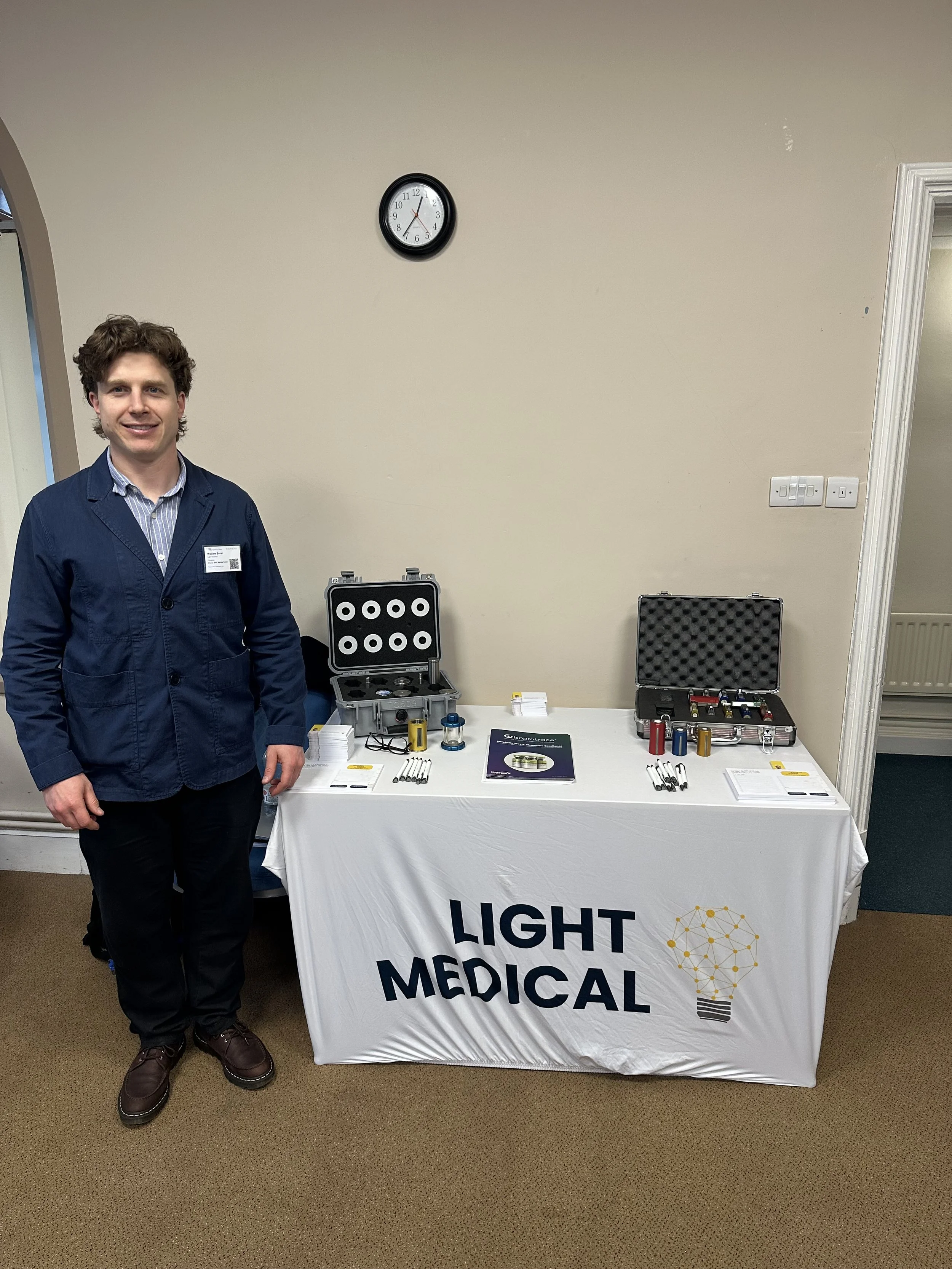
UK Radiopharmacy Group 2026
Light Medical attended the meeting in Leeds and had a great day catching up with the community. It was great to see so many familiar faces and connect with everyone in person.
There were some particularly interesting discussions around people’s plans for molecular therapy and the ONR’s views on the use of polymer pots, and we also shared an information piece on this topic.
We’re already looking ahead to 2026 and are excited to see everyone again at other conferences throughout the year (Where to find us). We also had in-depth conversations about all of our suppliers, including Raditech, Nuclear Shields, ERS, RadQual, and Isotopia.
Where to find us
Conferences and Events 2026
We will be attending a wide range of national and international conferences throughout 2026, spanning all key areas of our product portfolio and scientific interests. These events provide valuable opportunities to connect with clinical and research partners, share expertise, and stay at the forefront of developments across nuclear medicine, radiopharmacy, oncology, and imaging.
Our planned attendance includes the following events:
UKRG Annual Workshop | Leeds | 5th February 2026
South West Nuclear Medicine Meeting | Exeter | 11th March 2026
EAU26 | London | 13th–16th March 2026
BNMS Spring Meeting | Manchester | 20th–22th April 2026 | Stand No. 21
SNMMI Annual Meeting | Los Angeles | 30th May - 2nd June 2026
IRPA / SRP 2026 | Liverpool | 1st–5th June 2026 | Stand No. 72
UKIO 2026 | Liverpool | 8th–10th June 2026
UK PET Chemistry Meeting | Oxford | 16th September 2026
BNMS Autumn Meeting | Swansea | 25th September 2026
EANM 2026 | Vienna | 17th–21st October 2026
We look forward to engaging with colleagues across the community at these events and will share updates throughout the year. Shoudl you wish to meet us at one of these event contact us here and we can arrange a tine that suits you.
Suppliers we will be representing:
Raditech, Nuclear Shields, ERS, RadQual, and Isotopia.
Useful pages:
Understanding TYPE-A & assumption of compliance
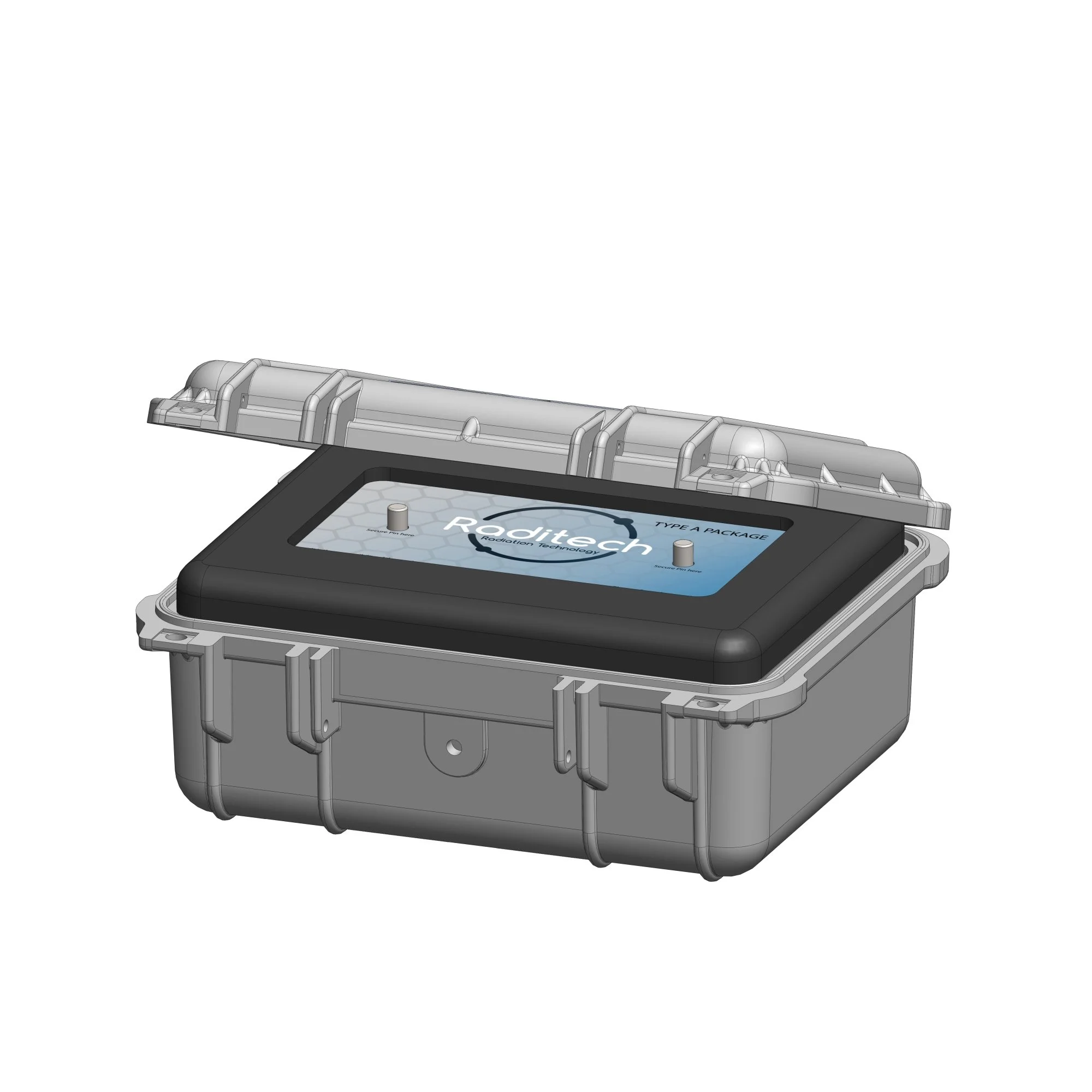
Understanding Type A Packaging Compliance: Why Manufacturer-Supplied Lead Pots Cannot Be Assumed Compliant
Recent clarification from the Office for Nuclear Regulation (ONR) has highlighted an important and often misunderstood issue in the transport of radiopharmaceuticals: Type A package approval applies to a defined package and its approved contents, not to substitute containers used outside that approval.
This has particular relevance for departments using manufacturer-supplied polymer lead pots within Type A transport cases such as the TecCase or ViCad systems.
What Does a Type A Certificate Actually Cover?
A Type A certificate does not approve a transport case in isolation. Instead, it approves a complete package design, which includes:
The outer transport case
The internal shielded containers
The way shielding and containment requirements are achieved
In the case of the TecCase and ViCad systems, shielding and containment are provided by the stainless-steel internal containers, not by the outer case itself.
These approved containers are:
Designed to a controlled drawing set
Manufactured to known tolerances
Assessed for shielding and containment
Subject to quality assurance and periodic inspection
This design control is what allows compliance with transport regulations to be demonstrated.
Why Manufacturer-Supplied polymer Lead Pots Are Different
Manufacturer-supplied polymer lead pots are typically licensed for single use and supplied as part of a disposable transport system. When these containers are reused or incorporated into a different transport package, several compliance challenges arise.
Unlike approved stainless steel containers:
There is no master drawing set available
Manufacturing tolerances are unknown
Material properties and fatigue life are undocumented
Replacement parts and service criteria are undefined
Because of this, it is not possible to independently verify that a specific polymer lead pot continues to meet shielding and containment requirements over repeated use.
Key Compliance Risks Identified
To demonstrate compliance when using alternative containers, a consignor would need to assess and document, at a minimum:
Whether each container matches a defined and approved drawing
The specification, lifespan, and replacement interval of the integrated O-ring
Individual marking and traceability of each container
The properties of the plastic materials used, including brittleness and ageing
Whether additional crash protection is required to meet the 9-metre free-drop test
Whether repeated reuse could fatigue critical closure components
These factors are outside the control of most consignors and cannot be assumed based on previous use.
Design Changes and Regulatory Expectations
Transport regulations do allow a consignor to impose design changes on a Type A package. However, this is only permitted where suitable documentary evidence demonstrates that the change does not adversely affect compliance.
This requirement is set out in regulatory guidance (for example, NS-INSP-GD-075, Section 3.5).
Crucially, the burden of proof lies with the consignor. Any organisation choosing to use non-approved containers must be able to present a full compliance case to regulators, including physical testing where necessary.
Routes to Compliance
There are valid pathways available to demonstrate compliance:
Use the Type A package exactly as prescribed
This involves using the approved internal containers specified in the certificate, without substitution.Adopt a hybrid or modified design
This requires purchasing an approved transport case and conducting a full assessment of any design changes, including testing and documentation to demonstrate ongoing compliance.
Both approaches are acceptable, provided the necessary assessment, evidence, and regulatory engagement are in place.
Why This Matters
While the issue may appear technical, its implications are significant. Using containers outside their approved design scope can:
Invalidate Type A approval
Create regulatory non-compliance
Shift legal responsibility to the consignor
Introduce avoidable operational and safety risk
ONR’s position reinforces the principle that compliance cannot be assumed based on historical practice or convenience.
Final Thoughts
Radiopharmaceutical transport relies on clearly defined, demonstrably compliant systems. Where containers are licensed for single use, they cannot automatically be reused or redistributed within a Type A package without a documented compliance case.
As regulatory scrutiny increases, understanding the boundaries of Type A approval and the responsibility of the consignor is essential to maintaining safe, lawful, and reliable nuclear medicine services.
Terbium-161: A New Frontier in Targeted Radionuclide Therapy
Introduction
Recent advances in nuclear medicine are shining a spotlight on a promising new player: Terbium‑161 (¹⁶¹Tb). Long used radionuclides continue to form the backbone of targeted therapy, yet ¹⁶¹Tb brings a unique combination of physical properties — particularly the emission of short-ranged conversion and Auger electrons alongside traditional beta and gamma radiation — that might significantly enhance the effectiveness of treating microscopic disease and small metastases that often evade detection. Isotopia+2Journal of Nuclear Medicine+2
Where conventional radionuclides sometimes falter in eradicating minimal residual disease or tiny clusters of cancer cells, ¹⁶¹Tb may open the door to improved outcomes thanks to higher-density, localized radiation.
Why Terbium-161 Stands Out
• Radiobiological Advantages
Compared with the widely used Lutetium‑177 (¹⁷⁷Lu), ¹⁶¹Tb shares a similar half-life and decay scheme (beta emissions, gamma emissions suitable for imaging), making it relatively straightforward to integrate into existing radiopharmaceutical designs. PMC+2SpringerLink+2
However, the real distinction lies in the additional conversion and Auger electrons emitted by ¹⁶¹Tb after beta decay. These electrons have a very short range (on the order of 0.5–30 µm), allowing highly localized deposition of energy — ideal for destroying single tumor cells or small micrometastases while sparing surrounding healthy tissue. Isotopia+2Journal of Nuclear Medicine+2
Dosimetric comparisons show that for small volumes (10–100 µm), ¹⁶¹Tb can deliver 2–3 times higher energy transfer than ¹⁷⁷Lu, potentially translating into greater antitumour efficacy where small cell clusters or single-cell disease are involved. Isotopia+2Journal of Nuclear Medicine+2
• Versatile “Theranostic” Potential
Because ¹⁶¹Tb emits gamma rays as well as beta and Auger electrons, it can — in principle — be used for both therapy and imaging (SPECT), similar to existing theranostic pairings. PMC+2Frontiers+2
In practice, this dual role could simplify treatment workflows: the same molecular targeting agent (e.g. a peptide or ligand) labeled with ¹⁶¹Tb might first be used to image tumour distribution and dosimetry, then to deliver therapeutic radiation — enhancing personalization of radionuclide therapy. Frontiers+2SpringerLink+2
• Broad Applications — From Solid Tumours to Hematologic Malignancies
Initial research and clinical application have focused heavily on solid tumours — for instance, neuroendocrine tumours and prostate cancer — but the scope is expanding. Recent preclinical studies show that ¹⁶¹Tb-based radioimmunotherapy may also be effective against CD30-positive T-cell lymphomas, opening the door toward hematologic cancer applications. Journal of Nuclear Medicine+1
Moreover, because of its efficacy against small-volume disease — including circulating tumour cells and micrometastases — ¹⁶¹Tb may play a critical role in treating minimal residual disease, reducing relapse risk after standard therapies. Journal of Nuclear Medicine+2Nuclear Medicine Therapy+2
Progress & Challenges
Promising Clinical Data
One of the most significant developments occurred in 2025 with the first-in-human use of ¹⁶¹Tb-labeled radioligand therapy for metastatic castration-resistant prostate cancer (mCRPC) — namely ¹⁶¹Tb-PSMA-I&T therapy. In a phase I/II clinical trial, doses up to 7.4 GBq were administered and the treatment was well tolerated, with only a minority of patients experiencing grade 3–4 adverse events. UroToday+2PubMed+2
Early efficacy signals have also been encouraging: a substantial proportion of patients experienced major declines in prostate-specific antigen (PSA) levels — a biomarker of disease burden — suggesting that ¹⁶¹Tb therapy can effectively reduce tumour load. UroToday+2UroToday+2
Preclinical data further supports superior potency of ¹⁶¹Tb over ¹⁷⁷Lu: in vitro studies reported multiple-fold stronger reduction in tumour cell viability with ¹⁶¹Tb-labeled compounds. Journal of Nuclear Medicine+2PMC+2
Manufacturing and Practical Challenges
Despite the promise, there remain non-trivial hurdles before ¹⁶¹Tb can become a mainstream therapeutic radionuclide. The main challenge lies in production at sufficient scale — neutron irradiation of highly enriched ^160Gd targets currently seems the most viable route, but achieving large-scale yields with consistent purity and specific activity is technically demanding. Isotopia+2National Isotope Development Center+2
Moreover, low-energy gamma emissions (e.g. ~49 keV, ~75 keV) pose challenges for imaging and dosimetry, particularly in standard clinical gamma cameras — requiring optimisation of imaging protocols or specialised equipment. SpringerLink+2PMC+2
Finally, compared with the decades of data accumulated for ¹⁷⁷Lu-based therapies, the body of clinical evidence for ¹⁶¹Tb remains relatively small. More clinical trials — including phase III studies — are needed to confirm long-term safety, optimal dosing, and effectiveness across diverse tumour types. ScienceDirect+2Open MedScience+2
What This Might Mean for Cancer Care
If ongoing clinical trials continue to show favourable safety and efficacy, ¹⁶¹Tb could reshape how we approach radionuclide therapy — especially with a shift toward treating minimal residual disease, early-stage micrometastasis, or single-cell clusters that are currently a major source of relapse.
Its “theranostic” nature — combining diagnostic imaging and therapy in one radionuclide — could streamline treatment planning, reduce patient burden, and help personalise therapy more precisely.
Furthermore, the versatility of ¹⁶¹Tb across different targeting moieties (e.g. PSMA ligands for prostate cancer; somatostatin analogues for neuroendocrine tumours; antibodies for lymphomas) creates the potential for broad application, beyond a single cancer type.
Conclusion
Targeted Radionuclide Therapy is growing increasingly sophisticated — and ¹⁶¹Tb may represent the next generation of radionuclides, combining proven beta and gamma emissions with the high-localised damage potential of conversion and Auger electrons.
While challenges remain — particularly in large-scale production and broader clinical validation — the early clinical and preclinical data are compelling. If these efforts bear out, ¹⁶¹Tb could become a powerful tool in the oncologist’s arsenal, especially when dealing with minimal residual disease or micrometastatic spread — key obstacles in achieving long-term remission.
In short: ¹⁶¹Tb doesn’t just promise a marginal improvement — it could redefine what we expect from radionuclide therapy.
BArcelona ‘25
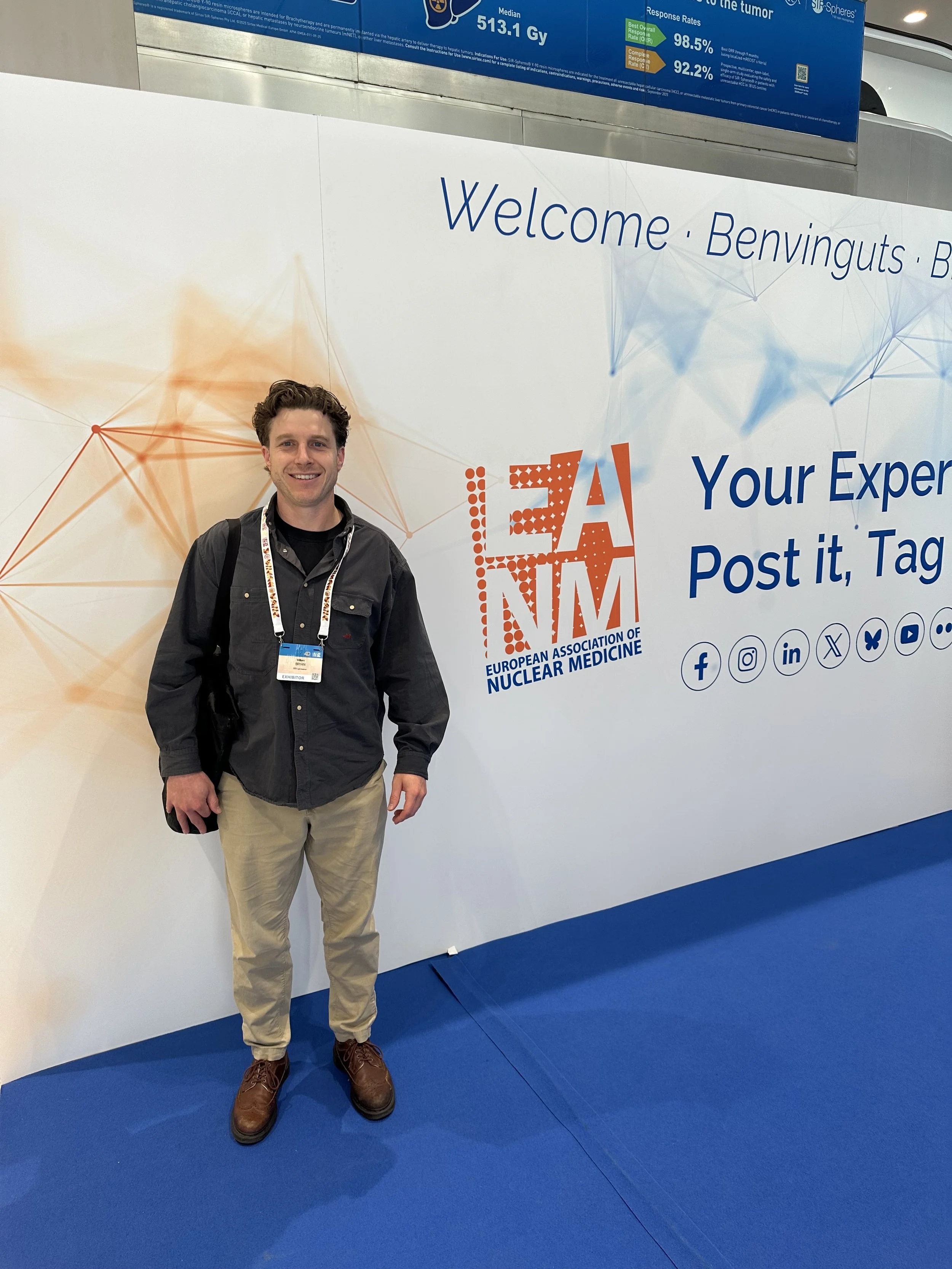
Light Medical was delighted to attend EANM 2025 in Barcelona, where global leaders in nuclear medicine and molecular imaging gathered to explore the latest innovations in the field. The event provided a fantastic opportunity to connect with partners, customers, and researchers, while showcasing our trusted range of shielding and transport solutions — including Vial Shields, Lead Glass Shields, Tungsten Containers, Vi-Cad Transport Case, and Type A Packaging.
One of the most exciting themes at this year’s congress was the rapid advancement of alpha (Ac-225) and beta (Tb-161) therapies, which are transforming cancer treatment through highly targeted therapeutic isotopes. The Light Medical team was inspired by the groundbreaking research and discussions around how these therapies are driving demand for safer handling, enhanced shielding, and specialised transport systems — areas where our products play a vital supporting role.
We’re proud to contribute to this evolving landscape by developing equipment that supports the secure use, storage, and transport of therapeutic and diagnostic isotopes. Our conversations at EANM 2025 reinforced our commitment to innovation, safety, and customer collaboration.
A huge thank you to everyone who visited our stand and shared their insights. We look forward to building on these connections and continuing to support the future of nuclear medicine and radiopharmacy. See you at EANM 2026!
To find out more information baout our trusted partners, go to our home page here or the specific links below.
Isotopia - radiopharmaceuticals
Nuclear Shields - shielding
Raditech - shielding and isotope disposal
RadQual - calibration sources
ERS - calibrator sources
LITE DONE RIGHT
RadQual RadLite™ Flood Sources
An Overview
RadQual’s RadLite™ Flood Sources stand out as a streamlined, efficient solution for nuclear medicine quality control. They’re engineered to be 60% lighter and 60% thinner, all while maintaining the same reliable performance that professionals expect. What’s more? RadQual backs these sources with a 100% guarantee—a testament to the brand’s confidence in quality and consistency.
Size & Activity Options
RadLite™ sources come in a variety of form factors to suit different SPECT gamma camera configurations:
BM01L: 5 lb, 61.2 × 42.4 cm, 0.89 cm thick – activities: 5, 10, 15, or 20 mCi
BM02: 5 lb, 51.6 cm (dim unspecified), 1.78 cm thick – activities: 5, 10, or 15 mCi
BM04: 5 lb, 49.8 × 39.6 cm, 1.78 cm thick – activities: 10, 15, or 20 mCi
BM05: 2 lb, 28.5 × 28.5 cm, 1.78 cm thick – up to 20 mCi
BM07: 3 lb, 40.1 × 24.1 cm, 0.76 cm thick – 7.5, 10, or 15 mCi
BM55: 2 lb, 28.5 × 26.1 cm, 1.78 cm thick – 20 mCi
Tailored for Your Gamma Camera
RadQual provides comprehensive cross-reference charts, helping professionals select the right flood source for their camera. For instance:
A Philips Brightview camera (51.4 × 40.6 cm active area) aligns with a BM01L-10 source.
A GE Discovery NM 750b (square 22.9 × 22.9 cm area) fits well with BM05-20 for optimal performance.(radqual.com)
Why Go RadLite™?
Lightweight and slim design reduces physical strain during handling.
Each unit undergoes rigorous testing—100% of the UFOV (Useful Field of View) is measured to ensure no "hot" or "cold" spots.
Radionuclidic purity is exceptional, with Co-56/Co-58 impurities below 0.08%, ensuring accuracy and safety.
Every source is guaranteed to deliver at least 100% of its referenced activity, ensuring reliability in calibration procedures.
Complements in the Ecosystem
RadQual’s quality assurance doesn't stop there. They offer additional solutions to streamline workflow and enhance safety:
RadShield™: A lightweight alternative to heavy cases, offering effective radiation shielding (e.g., 0.04 mrem/h at 30 cm vs. 0.03 for a hard case using a 15 mCi source).(radqual.com)
RadScooter: A transport solution designed to safely move flood sources around without manual carrying. Ideal for BM01, BM02, and BM04 models.(radqual.com)
RadLite Shipper: A lightweight, recyclable Type A shipping package that lowers shipping and return costs.(radqual.com)
Wrap-Up
RadQual’s RadLite™ Flood Sources redefine quality control in nuclear medicine. Their lightweight, slim design, unmatched precision, and full guarantee make them an excellent choice for professionals demanding performance and efficiency. When paired with RadShield™, RadScooter, and the RadLite Shipper, they complete a workflow that’s safer, faster, and more cost-effective.
If you are interested please get in touch via our contact form or request a quote.
Links to our radioactive source manufacturer’s pages are RadQual and ERS.
BNMS Autumn Meeting 2025

Earlier this week, Light Medical was pleased to attend the Autumn BNMS Meeting at the historic Kia Oval in London.
The BNMS (British Nuclear Medicine Society) Autumn Meeting brought together clinicians, researchers, and industry partners from across the country to share the latest advances in nuclear medicine. The event provided an excellent opportunity for collaboration, knowledge exchange, and discussion on the future of the field.
Our team was delighted to meet with delegates, showcase our medical imaging and diagnostic solutions, and hear first-hand about the challenges and opportunities within nuclear medicine today. We greatly value the chance to connect with healthcare professionals and researchers who are driving innovation and improving patient care.
Light Medical is committed to supporting the nuclear medicine community, and we look forward to building on the conversations and connections made during the meeting.
We represented our partners RadQual, ERS, Nuclear Shields, Raditech, Elysia-Raytest and Isotopia

New DUAL protection syringe shields
Protect staff and improve precision with our new dual syringe shield, combining tungsten and Perspex for effective gamma and beta radiation protection.

Dual Syringe Shields
We’re excited to introduce the latest innovation in radiation safety: Dual Syringe Shields, specifically engineered for nuclear medicine professionals who demand both protection and precision.
Dual Protection – Gamma & Beta
Our syringe shields are constructed using a powerful combination of 4 mm tungsten and 5 mm Perspex, delivering dual-layer protection against both gamma and beta radiation. This makes them ideally suited for high-precision nuclear medicine procedures, where shielding from multiple radiation types is critical to both operator safety and procedural accuracy.
Safe Handling with Clear Visibility
A key feature of our Dual Syringe Shield is the narrow viewing window, manufactured with a thickness of 8.8 mm and a density of 5.2 g/cm³. This window provides enhanced radiation attenuation without compromising visibility—enabling clinicians to handle syringes safely and confidently during dosing and injection.
Stability with the Big-Screw System
To make clinical use even more efficient, each shield is equipped with a Big-Screw fixation system. This allows the syringe to be securely locked into place, preventing unwanted movement and ensuring accurate handling even during the most delicate procedures.
Designed for Nuclear Medicine Efficiency
Whether you’re working in a hospital radiopharmacy, PET center, or research facility, our Dual Syringe Shields are designed with practicality, protection, and performance in mind. The ergonomic design makes them easy to handle, while the robust construction ensures durability under frequent use.
Key Features at a Glance:
4 mm Tungsten + 5 mm Perspex for dual gamma/beta shielding
8.8 mm viewing window with 5.2 g/cm³ density for optimal visibility
Big-Screw locking system for syringe stability
Engineered for nuclear medicine safety and workflow efficiency
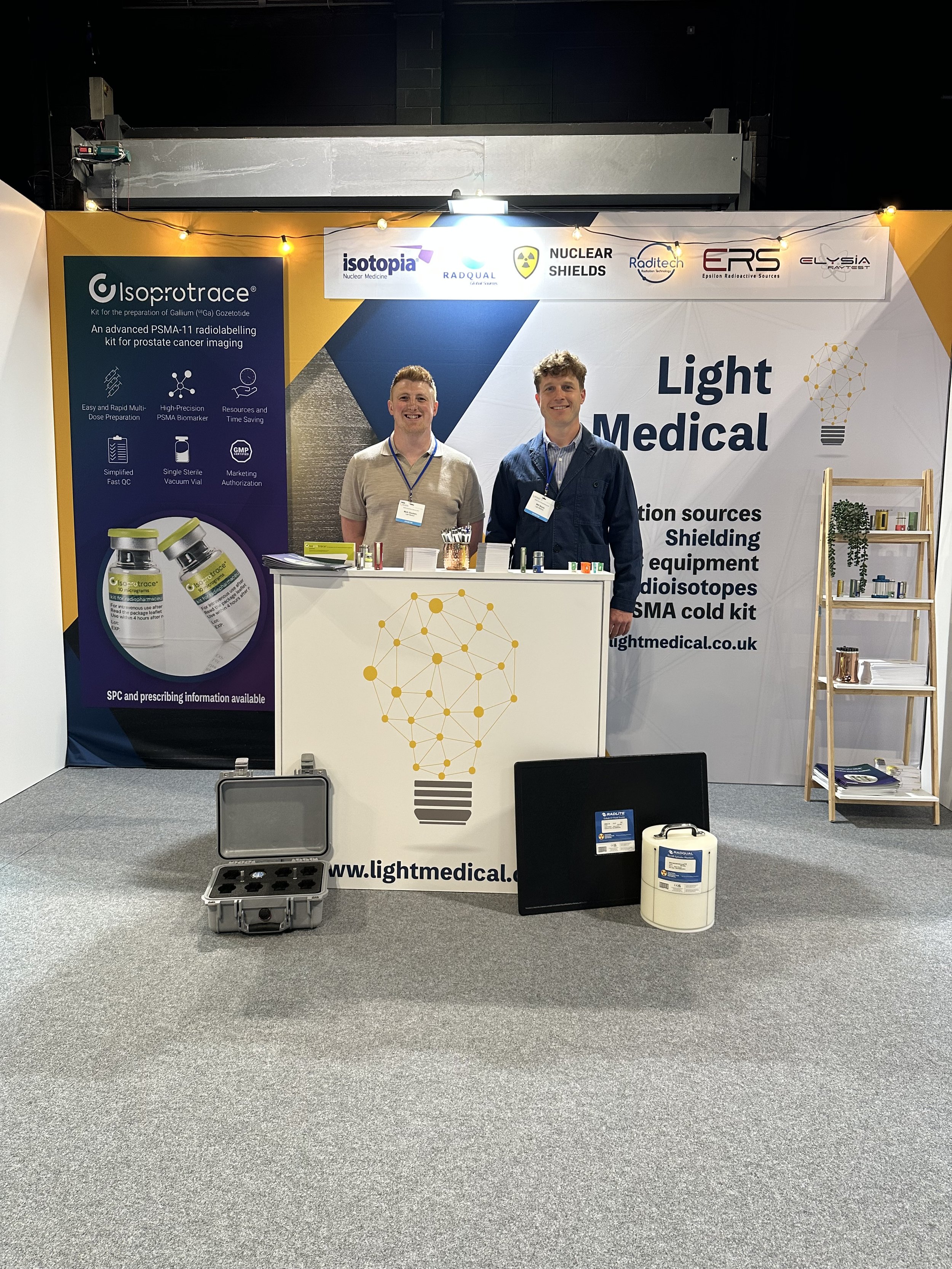
BNMS | Spring
Light Medical at the BNMS Spring Meeting 2025 – Driving Innovation in Nuclear Medicine
After a busy few months, the Light Medical team was proud to once again attend and exhibit at the BNMS Spring Meeting 2025 in Glasgow. The event brought together professionals from across nuclear medicine, radiopharmacy, medical physics, and radiology for three days of valuable insights, collaboration, and innovation.
A Standout Event
This year’s meeting was an excellent opportunity to reconnect with long-standing customers, suppliers, and partners, as well as introduce Light Medical to new faces in the field. With a packed programme of presentations and posters, there was plenty of engaging content covering key topics including Lu-177 therapies, Ga-68 PSMA, radiation protection, quality control, software, and the growing role of personalised radionuclide therapy.
What We Showcased
At our stand, we were proud to present a wide range of our latest technologies, all designed to support safe, accurate, and efficient workflows in nuclear medicine. These included:
Shielding Solutions – Syringe and vial shields for everyday protection
Sealed Sources – Co-57, Ge-68, Cs-137 for SPECT and PET calibration
TLC and HPLC Scanners – Ensuring precise and reliable QC
Shielded equipment, laminar flow and cabinets
Ga68 PSMA imaging cold kit
Collaboration at the Core
The event was also a fantastic opportunity to strengthen relationships with our partners, including Elysia-Raytest, Nuclear Shields, Epsilon (ERS), Isotopia, Raditech and RadQual. These collaborations are key to delivering high-quality, cutting-edge solutions to nuclear medicine departments across the UK and Ireland.
Looking Ahead
With nuclear medicine increasingly focused on personalised treatment and reducing radiation exposure, Light Medical is proud to be supporting this transition with innovative, safety-first products.
We're now looking forward to the BNMS Autumn Meeting at The Oval in London—another chance to engage with the community and help drive the future of nuclear medicine forward.
Thank you to everyone who stopped by our stand in Glasgow. See you in London!

Thank you and Merry Christmas
Merry Christmas!
As the festive season approaches, we at Light Medical would like to express our heartfelt gratitude to our valued customers and business partners (Nuclear Shields, RadQual, ERS sources, Elysia-Raytest, Von Gahlen, Isotopia and ec2 software solutions). Your support and commitment has been instrumental in our shared success this year.
Thank you for being an integral part of our journey. We look forward to further strengthening our partnership and achieving even greater milestones together in the years to come.
With warmest regards ,
Mark and Will


BNMS | AUTUMN
Strong presense at the BNMS and excitment for Belfast 2024
Light Medical, recently participated in the British Nuclear Medicine Meeting. Mark and Will attending the event held at 1 Wimpole Street the home of the Royal College of Medicine. At the event:
Cutting-Edge Technology: Light Medical showcased their latest shielding (syringe shields and vial shields), SPECT and PET sealed sources (Co-57, Ge-68, Cs-137), LIMS software, TLC and HPLC scanners, QC equipment. Setting new standards for accuracy and reducing radiation exposure, enhancing patient care.
Collaboration: They actively engaged with top companies and researchers to foster innovation and improve outcomes; ec² software solutions, Elysia-Raytest, Nuclear Shields, Epsilon (ERS), RadQual and Von Gahlen.
Key Takeaways:
Personalized Medicine: Nuclear medicine is moving towards personalized treatment plans and radionuclide therapy will play a huge part in that.
Reduced Radiation Exposure: Light Medical's innovative products prioritise user and patient safety with minimal radiation exposure.
Expanding Horizons: Ongoing work to improve market options for Nuclear Medicine, physics and radiopharamcy in the UK and Ireland.
In conclusion, a large delegate attendence at the British Nuclear Medicine Meeting reaffirms the commitment to driving nuclear medicine forward and improving patient care through cutting-edge technology and collaboration. The presence at the event signals strong support for the BNMS and the team are looking forward to Belfast 2024!
Radioactive Source Order deadlines for 2024
In partnership with Epsilon Radioactive Sources and RadQual Global Source we are planning to a do a bimonthly consolidated source order. This will include all the sources from both catalogues - Co57 flood sources, PET/CT sources (GE Healthcare, Siemens and Philips) pen point marker sources, siemens AQC sources spot marker sources and dose calibrator sources. This will also include the collection and return of old sources.
Order deadlines for 2024 deliveries
Friday 22nd December 2023
Thursday 29th February
Tuesday 30th April
Friday 28th June
Friday 30st August
Thursday 31st October
Friday 20th December (2025 delivery)

UK Radiopharmacy Group meeting 2023
Mark and Will attended the UK Radiopharmacy group meeting at Hinsley Hall, Leeds. It was an excellent meeting with talks ranging from the “Implementation of Annex 1” to “which PSMA is best?”. The consensus from our conversations with attendees was that the program was excellent, and the new venue was a refreshing change.
The team were there to represent our manufacturers in the exhibit space; Nuclear Shields, Von Gahlen, Elysia-Raytest, ec², RadQual, Epsilon and Isotopia. They were able to present Nuclear Shields range of demo syringe shields and vial shields on the first day.
The second day was a focussed LIMS software workshop day, with the team presenting the RMIS/NMIS software from ec² software solutions in the morning and taking part in a round table discussion in the afternoon.

Radioactive Source Delivery Schedule
In partnership with RadQual Global Source we are planning to a do a bimonthly consolidated source order. This will include all the sources from the RadQual range - Co57 flood sources, pen point marker sources, spot marker sources and dose calibrator sources. This will also include the collection and return of old sources.
Order deadlines for 2023 deliveries
23rd December 2022
28th February
28th April
30th June
31st August
31st October
22nd December (2024 delivery)