
Understanding TYPE-A & assumption of compliance
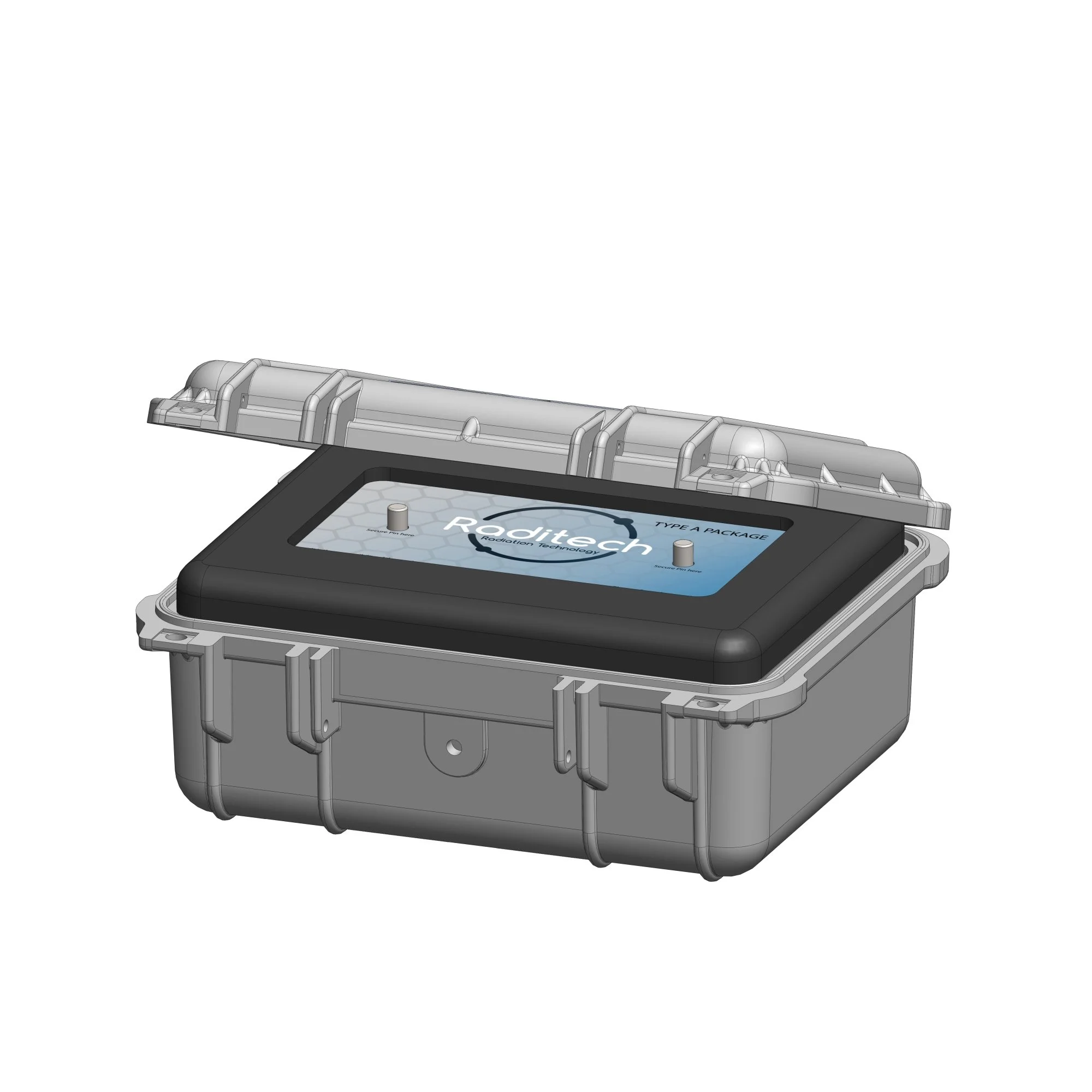
Understanding Type A Packaging Compliance: Why Manufacturer-Supplied Lead Pots Cannot Be Assumed Compliant
Recent clarification from the Office for Nuclear Regulation (ONR) has highlighted an important and often misunderstood issue in the transport of radiopharmaceuticals: Type A package approval applies to a defined package and its approved contents, not to substitute containers used outside that approval.
This has particular relevance for departments using manufacturer-supplied polymer lead pots within Type A transport cases such as the TecCase or ViCad systems.
What Does a Type A Certificate Actually Cover?
A Type A certificate does not approve a transport case in isolation. Instead, it approves a complete package design, which includes:
The outer transport case
The internal shielded containers
The way shielding and containment requirements are achieved
In the case of the TecCase and ViCad systems, shielding and containment are provided by the stainless-steel internal containers, not by the outer case itself.
These approved containers are:
Designed to a controlled drawing set
Manufactured to known tolerances
Assessed for shielding and containment
Subject to quality assurance and periodic inspection
This design control is what allows compliance with transport regulations to be demonstrated.
Why Manufacturer-Supplied polymer Lead Pots Are Different
Manufacturer-supplied polymer lead pots are typically licensed for single use and supplied as part of a disposable transport system. When these containers are reused or incorporated into a different transport package, several compliance challenges arise.
Unlike approved stainless steel containers:
There is no master drawing set available
Manufacturing tolerances are unknown
Material properties and fatigue life are undocumented
Replacement parts and service criteria are undefined
Because of this, it is not possible to independently verify that a specific polymer lead pot continues to meet shielding and containment requirements over repeated use.
Key Compliance Risks Identified
To demonstrate compliance when using alternative containers, a consignor would need to assess and document, at a minimum:
Whether each container matches a defined and approved drawing
The specification, lifespan, and replacement interval of the integrated O-ring
Individual marking and traceability of each container
The properties of the plastic materials used, including brittleness and ageing
Whether additional crash protection is required to meet the 9-metre free-drop test
Whether repeated reuse could fatigue critical closure components
These factors are outside the control of most consignors and cannot be assumed based on previous use.
Design Changes and Regulatory Expectations
Transport regulations do allow a consignor to impose design changes on a Type A package. However, this is only permitted where suitable documentary evidence demonstrates that the change does not adversely affect compliance.
This requirement is set out in regulatory guidance (for example, NS-INSP-GD-075, Section 3.5).
Crucially, the burden of proof lies with the consignor. Any organisation choosing to use non-approved containers must be able to present a full compliance case to regulators, including physical testing where necessary.
Routes to Compliance
There are valid pathways available to demonstrate compliance:
Use the Type A package exactly as prescribed
This involves using the approved internal containers specified in the certificate, without substitution.Adopt a hybrid or modified design
This requires purchasing an approved transport case and conducting a full assessment of any design changes, including testing and documentation to demonstrate ongoing compliance.
Both approaches are acceptable, provided the necessary assessment, evidence, and regulatory engagement are in place.
Why This Matters
While the issue may appear technical, its implications are significant. Using containers outside their approved design scope can:
Invalidate Type A approval
Create regulatory non-compliance
Shift legal responsibility to the consignor
Introduce avoidable operational and safety risk
ONR’s position reinforces the principle that compliance cannot be assumed based on historical practice or convenience.
Final Thoughts
Radiopharmaceutical transport relies on clearly defined, demonstrably compliant systems. Where containers are licensed for single use, they cannot automatically be reused or redistributed within a Type A package without a documented compliance case.
As regulatory scrutiny increases, understanding the boundaries of Type A approval and the responsibility of the consignor is essential to maintaining safe, lawful, and reliable nuclear medicine services.